

Empowering Orphaned and Vulnerable Children (OVC): The Work of Save Generation Development Association
In regions plagued by poverty, disease, and conflict, children who lose parental care or face systemic hardships are among the most marginalized. Save Generation Development Association (SGDA), a nonprofit dedicated to child welfare, steps in as a beacon of hope for these orphaned and vulnerable children (OVC). Operating primarily in underserved communities, SGDA’s mission is to safeguard children’s rights, restore dignity, and empower them to build sustainable futures.
Understanding Orphaned and Vulnerable Children (OVC)
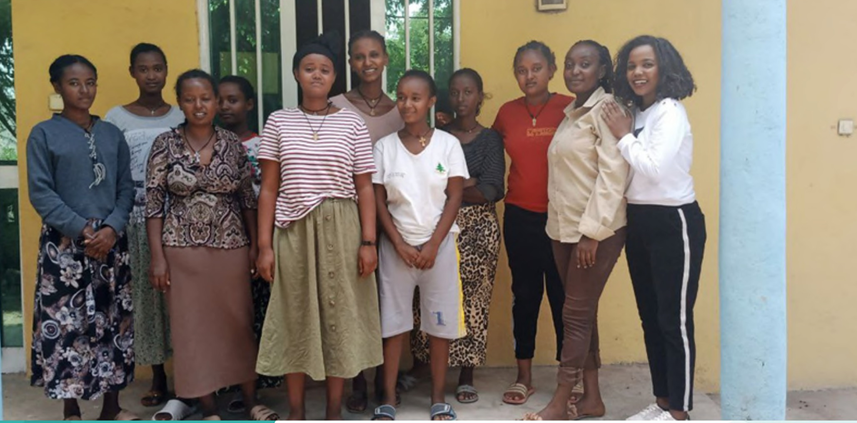
OVC refers to children under 18 who have lost one or both parents or who endure extreme adversity due to poverty, abuse, disability, or displacement. Many face barriers to education, healthcare, and emotional support, leaving them susceptible to exploitation, child labor, or early marriage. SGDA recognizes that vulnerability extends beyond orphanhood, addressing intersecting challenges through holistic interventions.
SGDA’s Multifaceted Approach
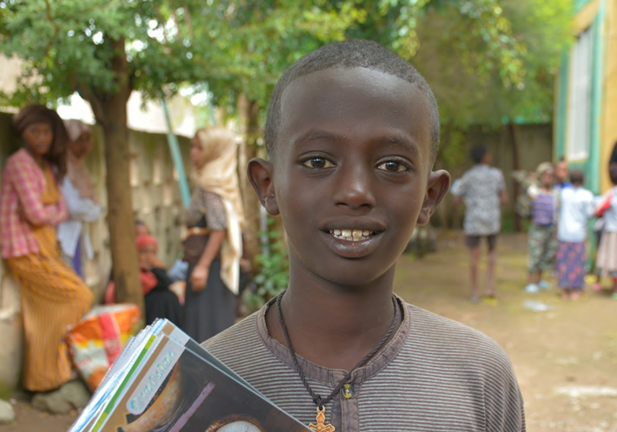
Education as Empowerment: SGDA prioritizes education, offering scholarships, school supplies, and infrastructure development to ensure access. Remedial classes and mentorship programs help bridge learning gaps, while advocacy campaigns reduce stigma around schooling for girls and children with disabilities. We support OVC with school materials including annual school uniforms. We also set up a tutorial program as after school program.
Psychosocial Support: Trauma-informed counseling and peer support groups help children heal emotionally. Safe spaces foster creativity and resilience through art therapy and recreational activities.
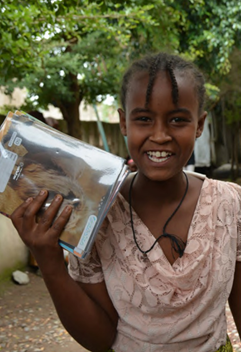
Economic Strengthening: Recognizing poverty’s role in vulnerability, SGDA trains caregivers in income-generating skills, offering microloans to launch small businesses. This reduces reliance on child labor and stabilizes households.
Advocacy and Rights Protection: SGDA campaigns against child abuse and advocates for policy changes, collaborating with governments to strengthen child protection systems and legal frameworks.
Community-Centered Impact
SGDA’s success lies in grassroots collaboration. Local leaders, teachers, and social workers identify at-risk children, ensuring tailored support. Community workshops combat harmful norms, such as gender bias, while fostering collective responsibility for child welfare. Partnerships with NGOs and international agencies amplify resources and expertise.
Challenges and Resilience
Operating in resource-limited settings, SGDA faces funding gaps, cultural resistance, and logistical hurdles. Yet, by engaging communities and leveraging technology for remote outreach, they persist. A mother in Ethiopia shared, “SGDA’s training helped me start a bakery. Now, my children attend school instead of working.” Stories like hers underscore SGDA’s transformative impact.
How You Can Help
SGDA’s work thrives on solidarity. Donations fund the school support program and medical care, while volunteering offers skills in education or healthcare. Raising awareness on social media or advocating for child rights extends their reach.
Conclusion
Every child deserves safety, education, and hope. Through its comprehensive programs, SGDA not only addresses immediate needs but also dismantles cycles of poverty and neglect. By supporting their mission, we invest in a generation equipped to lead and inspire—a generation once vulnerable, now empowered.