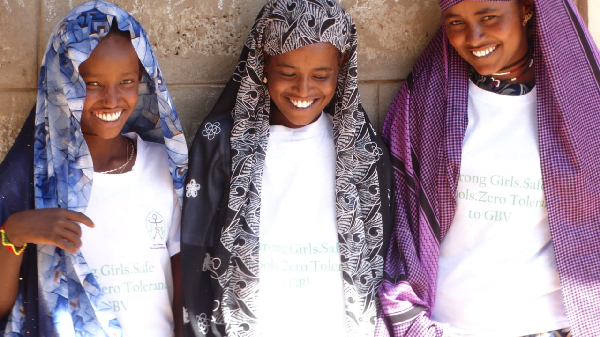

Provision of services to Survivors of GBV Sponsored by UNICEF
East Borena District in Oromia Regional State is one of the areas in the country where women and girls are vulnerable to Gender Based Violence and where GBV and PSEA should be well versed to all communities for total acknowledgment of the problems and solutions. As the newly formed District in Oromia and Negele Borena Town as its capital, women and girls have the new start to see a better future with strong communities where their safety are guaranteed with a structured system to prevent GBV and prevent Sexual, exploitation and abuse.
Gender Based Violence is especially problematic in times of conflict and displacement. In these settings, family, community protection and support systems break down, and abuse of power occurs frequently. Women and children are the most vulnerable to exploitation, violence, and abuse just by virtue of their gender, age, and status in society. GBV that involves physical violence could lead to a physical injury, from a simple wound to loss of body parts and even death. It also causes psychological trauma such as fear, anxiety, self-blame, depression, and suicidal thoughts. Sexual violence also contributes to the spread of STIs including HIV. It can also result to an unwanted pregnancy leading to several negative outcomes including unsafe abortion, reproductive injuries, fistula, and other wide range of injuries –even death.
East Borena District is prone to seasonal and chronic hazards causing droughts, floods, and epidemics. These hazards place a considerable portion of the District's population in a situation of vulnerability, disproportionately affecting children and women. The current drought and conflict in the zone create protection risks and exacerbate children’s vulnerability to separation from family, emotional distress, violence, exploitation, and abuse. There is clear evidence across the zone linking seasonal and climatic changes to varying levels of risk for women and children.
There are very limited response services for GBV which are not survivor friendly and situated in very few hospitals in the entire Oromia Regional State. Negele Borena General Hospital provides services to GBV where SGDA is currently working with at their One Stop Center giving prevention and protection services.
General Objective: -
To increase the provision of services that are available for the survivors of Gender Based Violence in Negele Borena Town and Liben Woreda in East Borena District.
Specific Objectives
• To improve medical care to address the physical consequences of GBV at Health Centers, Hospitals and One Stop Centers
• To support referral Pathways (safe, confidential, timely, accessible) through mapping of the services available for survivors of GBV in the two target areas, Negele Borena town and Liben Woreda in East Borena zone. And establish a coordination forum to develop RPWs and disseminate the referrals in all Service Delivery Points in the weredas
• To improve the access for free legal services for GBV survivors in collaboration with Courts, Police and Attorney General Office
• To improve the access for humanitarian cash transfers or cash plus for survivors of GBV for protection from harm and strengthen resilience
• To increase the capacity of social workers and staff of the organization on GBVIE, PSS, Case Management, Referrals, WGSS and related issues
• To increase the Case Management for individual cases of GBV and MHPSS to address the trauma, social and emotional effects of GBV
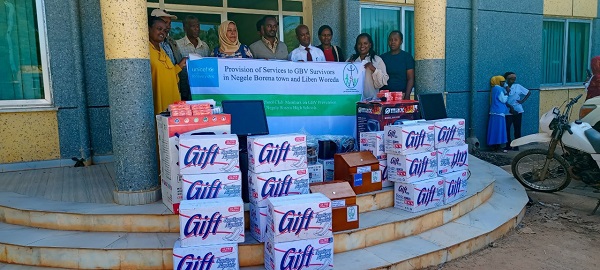
• To increase the availability of women’s/girls Dignity kits, hygienic materials, sanitary pads, and others) to GBV survivors including Humanitarian Cash transfer or Cash Plus
• To create a safe place for women by Establishing WG Safe Space in the community in the two selected weredas. It will be a safe space in the community for female survivors of GBV with the main objective to access services, information, and referrals to other services. It will be a community based where life skills, PSS are provided and volunteers. The Safe Space for women and girls also contributes to rehabilitation and integration.
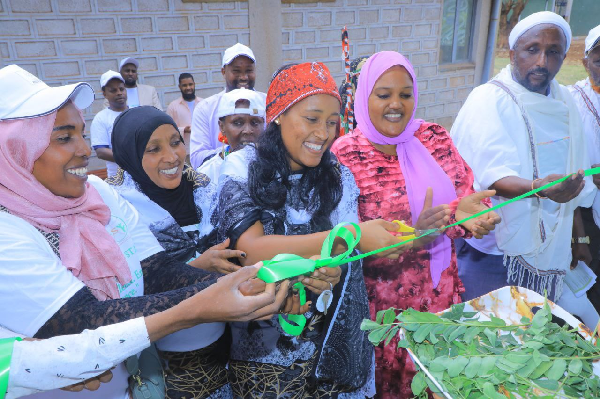
One of the key areas of the project is to enable GBV victims create their women income source for themselves and make them self-reliant. The income Generating Activities was planned for them to have their own small businesses and create self confidence that comes along with it.
Gender Based Violence survivors who are selected by the One-Stop-Center, the Women/Children Affairs bureau of East Borena Zone, WCAB of Negele Borena town and Liben Woreda are all participated in the IGA program where 88 beneficiaries are planned for financial support to start small businesses with the seed money.
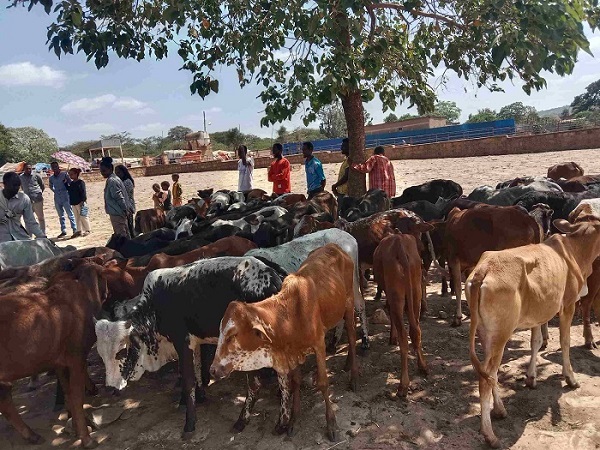
The IGA program initially supported 88 GBV victims vetted through Women/Children affairs District Bureau through the One Stop Center of NB Hospital who are fully benefited in cash support and in the second around of IGA was implemented for another 80 GBV victims which are again vetted from the same sources.
The beneficiaries are given the business skill training on how to successfully start a small business and grow sufficiently in the lives. They are encouraged to open their own bank account where they can manage their income and spending on their own without any interference.
In the first round IGA, 88 GBV victims received 4000.00birr and in the second round IGA, each 80 GBV victims received Heifer calf to raise them for milk production.
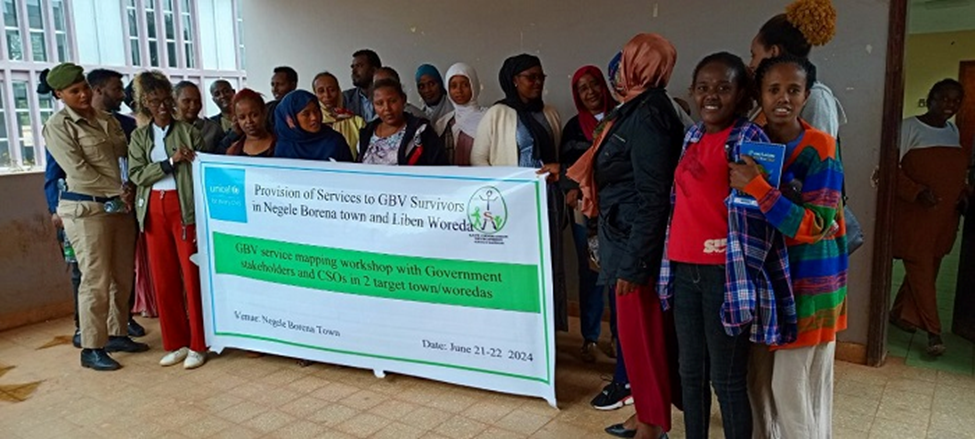
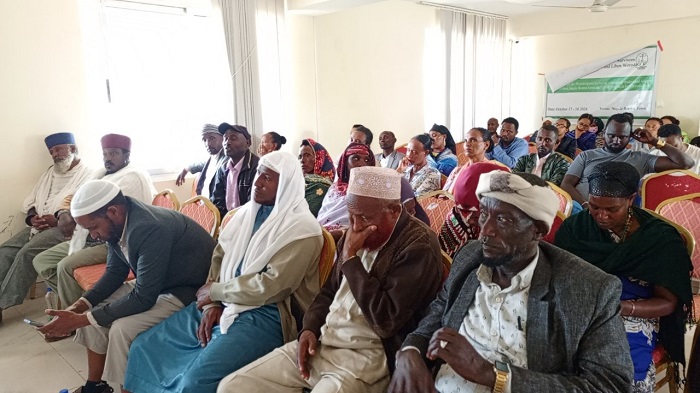
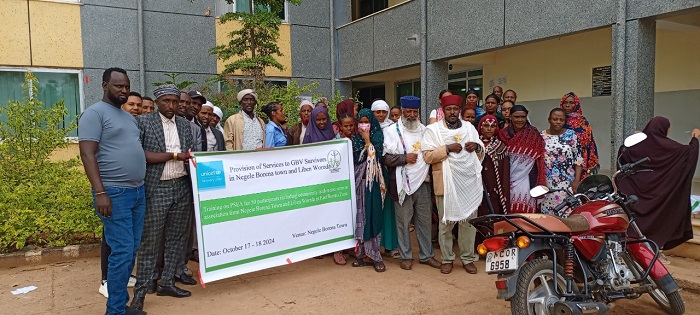
The Prevention of Sexual, Expoitation and Abuse awareness program is set for community members from Liben District and Negele Borena town where elders, religious leaders, youth and women association get a participator platform to understand the core issue on Preventing Sexual Exploitation and Abuse in their regions.
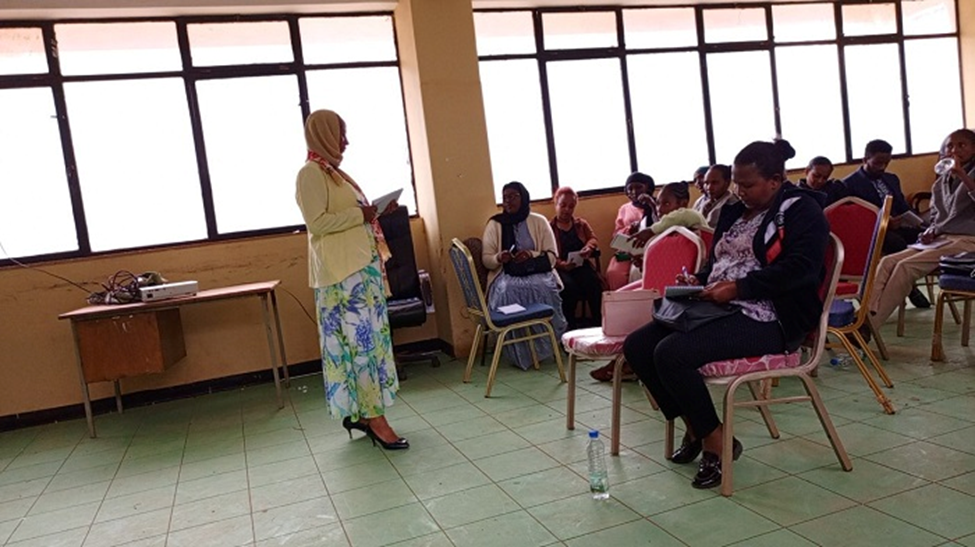
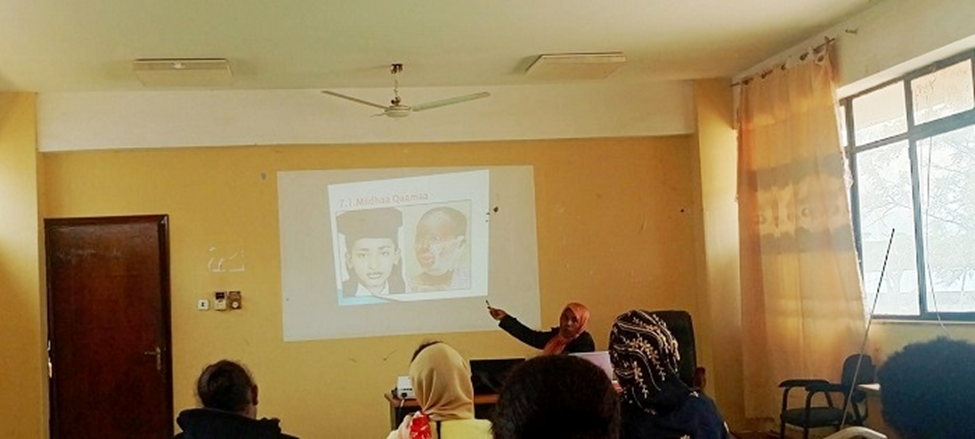
The East Borena District's Women/Children Affairs Bureau has offered us their meeting hall to hold the session. Mrs. Rehima Abdulahid from the bureau gave the training for 50 participants from different walk of life who are highly active in their communities.
Learning objectives
At the end of the training, they were able to:
• Explain what they can do to prevent sexual exploitation and abuse of the local and displaced population
• Describe how to report sexual exploitation and abuse
• Understand the consequences of such abuses
• Describe what communities must do to enforce the law on the ground where they come from